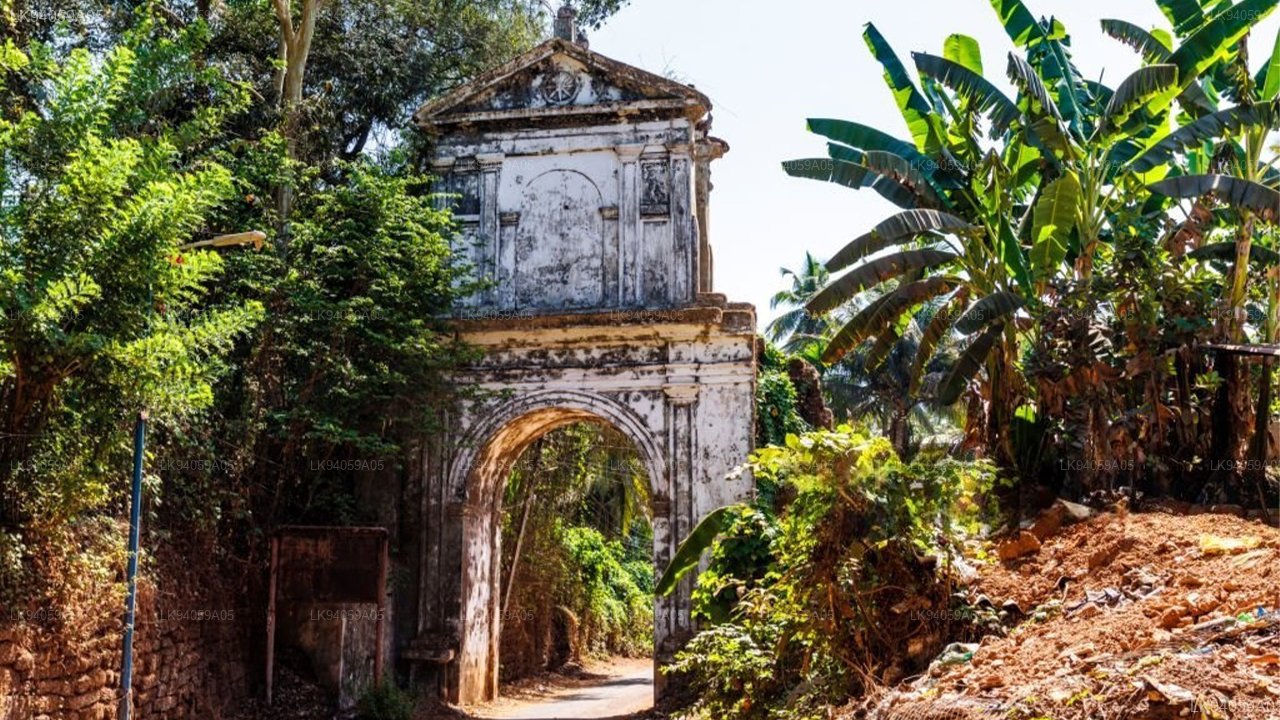
Città di Negombo
Negombo, città costiera dello Sri Lanka, offre un vivace mix di patrimonio culturale e fascino balneare. Nota per le spiagge incontaminate, il Canale Olandese e i vivaci mercati del pesce, offre escursioni entusiasmanti e templi sereni. Immergetevi nel fascino del ricco patrimonio di Negombo a ogni visita.
Dutch Fort Negombo
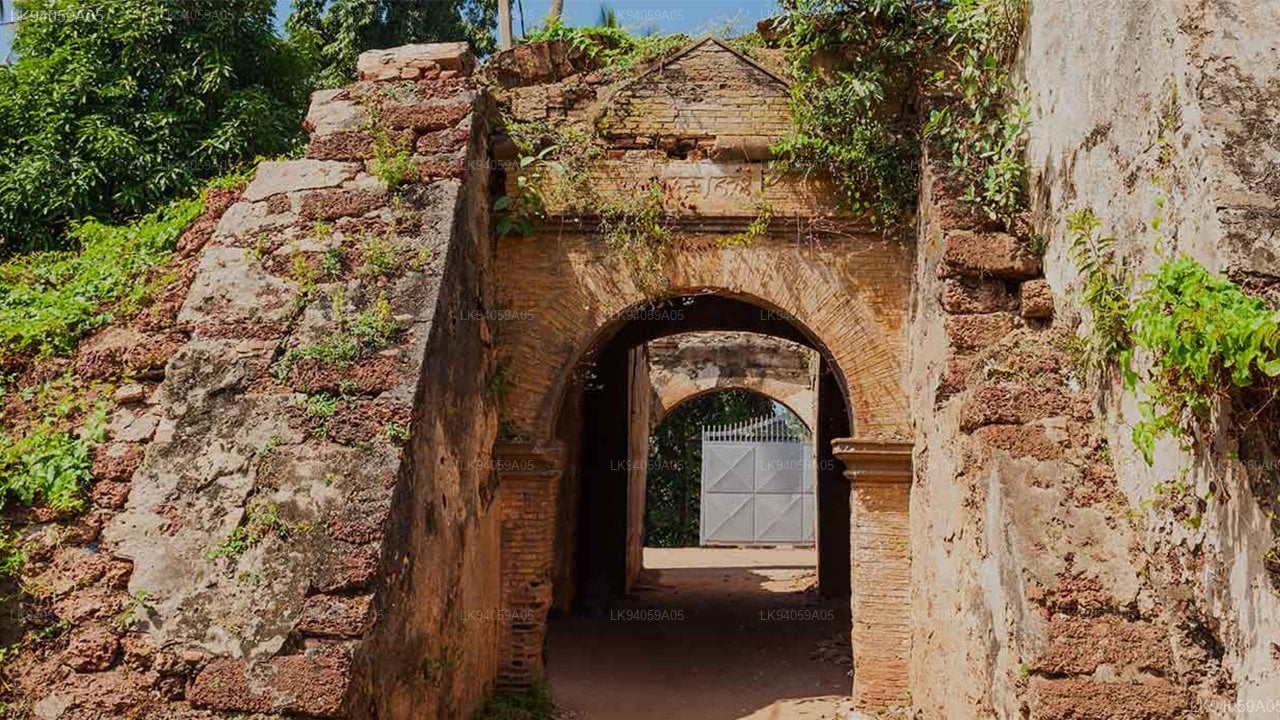
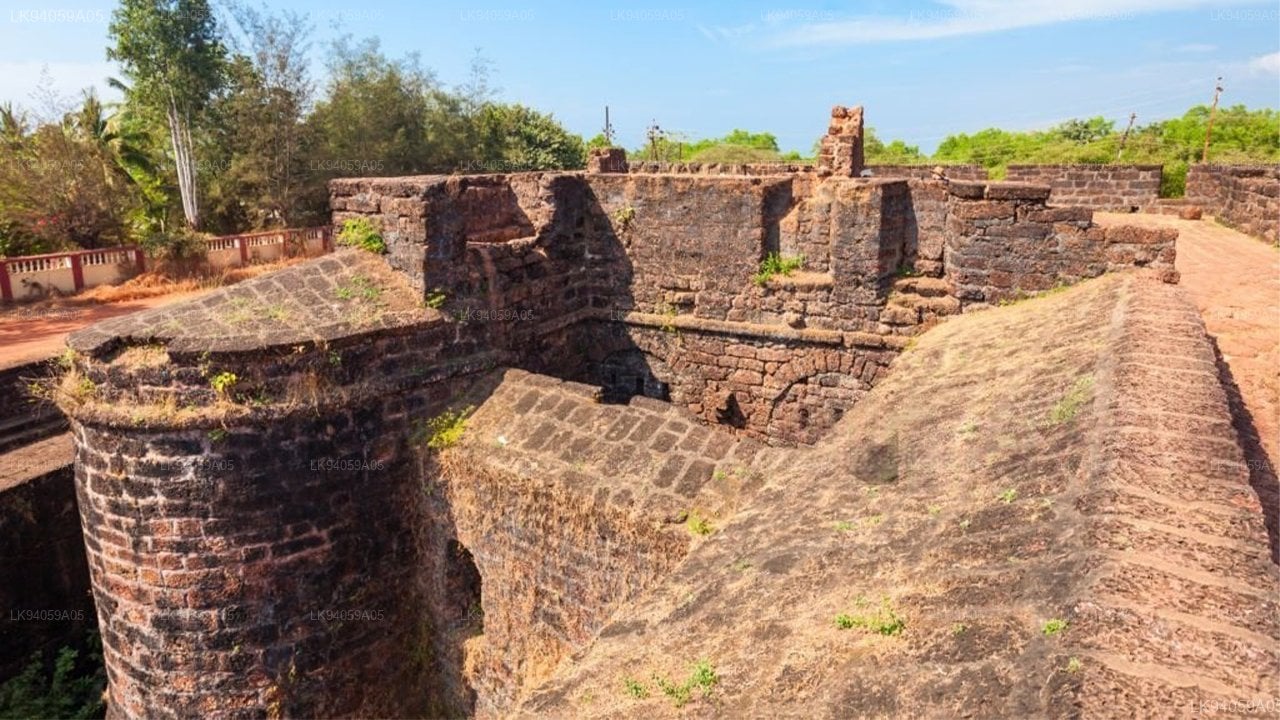
The Dutch Fort in Negombo is a historic site that offers a fascinating insight into Sri Lanka's colonial past. Built in the late 17th century by the Dutch, the fort is located in the coastal town of Negombo, just a short distance from the bustling Negombo Fish Market. Although much of the original structure has been lost to time, the remains of the fort still stand as a testament to the strategic importance of Negombo during the colonial era.
The fort's construction was part of the Dutch effort to control the valuable cinnamon trade and secure the coastal regions of Sri Lanka. The site was originally a Portuguese fortification, which the Dutch captured and expanded upon. The fort's walls were designed to withstand attacks and provide a stronghold for the Dutch settlers.
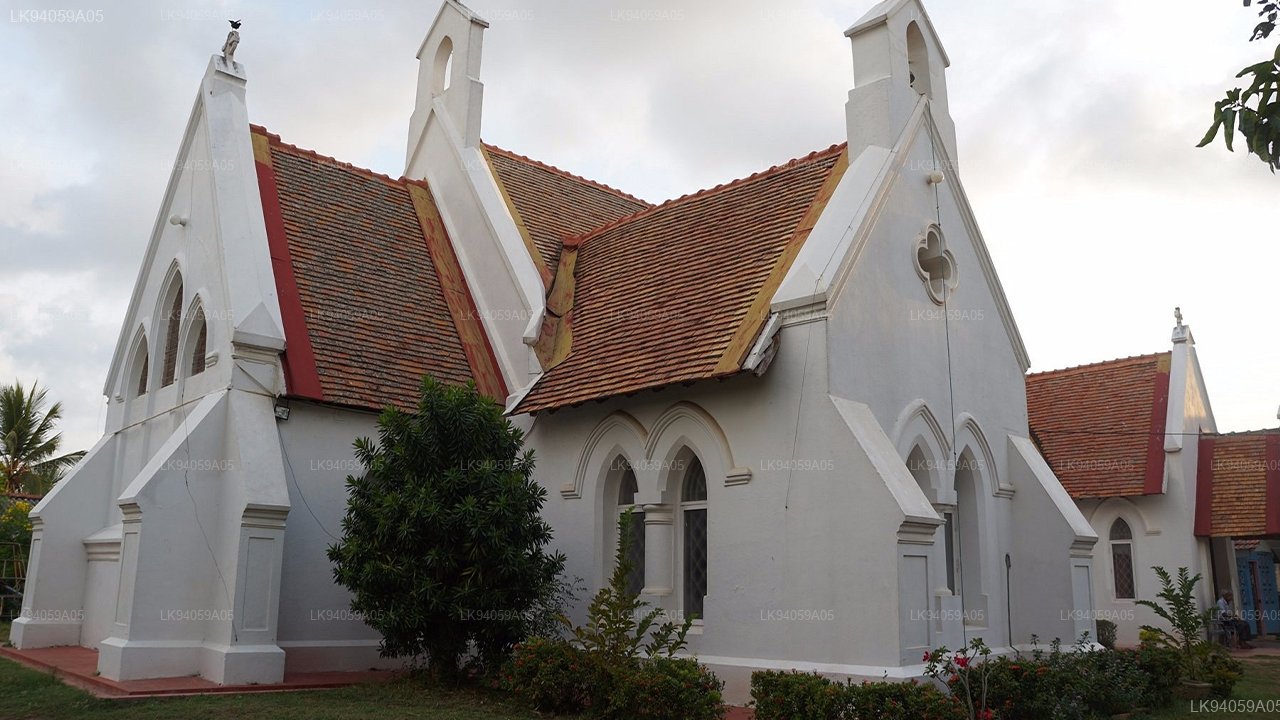
Today, visitors to Dutch Fort Negombo can see the remnants of the walls and gates, as well as a few colonial-era buildings that have survived. One of the most notable structures within the fort's premises is the Dutch Reformed Church, which dates back to 1678. This church, with its simple yet elegant architecture, is a significant landmark that reflects the Dutch architectural influence in the region.
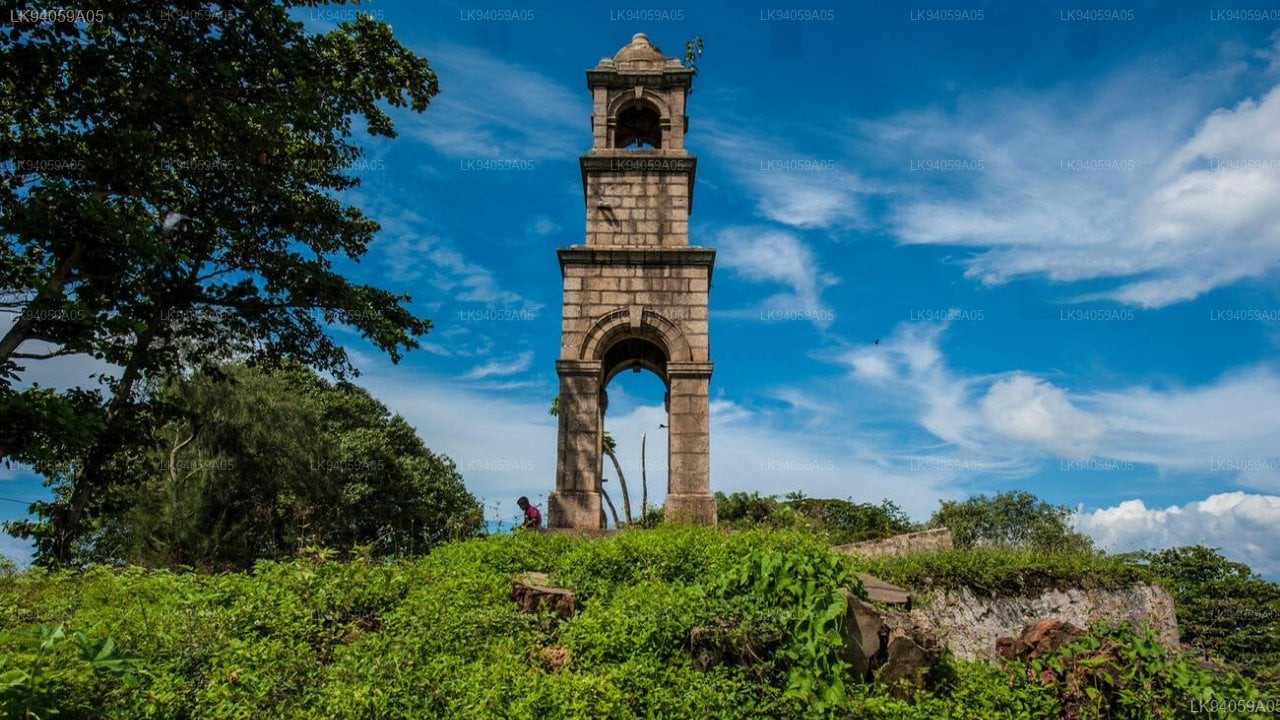
The fort area also offers picturesque views of the Negombo Lagoon and the surrounding landscape. It is a popular spot for tourists who are interested in exploring the rich history of the area and understanding the impact of European colonial powers on Sri Lanka.
While the fort itself may not be as imposing as it once was, the site remains a key attraction in Negombo, drawing visitors who are keen to delve into the past and experience the cultural heritage of this coastal town. A visit to Dutch Fort Negombo provides a unique opportunity to connect with Sri Lanka's layered history, from its colonial encounters to its vibrant present.
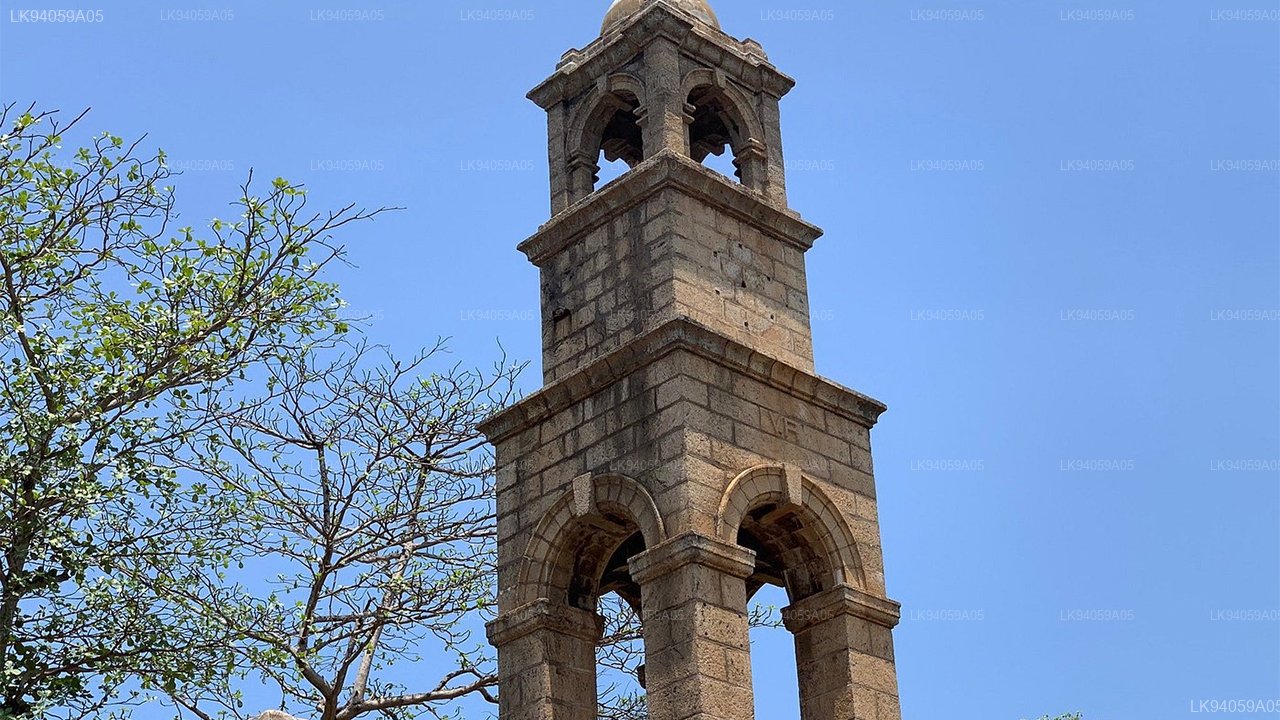
Distretto di Gampaha
Gampaha è una città urbana dello Sri Lanka ed è il capoluogo del distretto di Gampaha, nella provincia occidentale, a nord di Colombo. Il distretto di Gampaha è separato da Colombo principalmente dal fiume Kelani. La città di Gampaha si trova a circa 4 km da Miriswatta, sulla strada Colombo-Kandy. Gampaha è circondata dalle città di Yakkala, Miriswatta, Weliweriya, Udugampola e Ja-Ela.
Il nome "Gampaha" in singalese significa letteralmente "Cinque Villaggi". I cinque villaggi sono noti come Ihalagama, Pahalagama, Medagama, Pattiyagama e Aluthgama.
Provincia occidentale
La Provincia occidentale è la provincia più densamente popolata dello Sri Lanka. Ospita la capitale legislativa Sri Jayawardenapura e Colombo, il centro amministrativo e commerciale della nazione. La Provincia Occidentale è divisa in 3 distretti principali: Colombo (642 km²), Gampaha (1.386,6 km²) e Kalutara (1.606 km²). Essendo il fulcro economico dello Sri Lanka, tutte le principali aziende locali e internazionali hanno la loro sede in città, così come tutti i principali stilisti e negozi al dettaglio, quindi preparatevi a concedervi un po' di shopping nella Provincia Occidentale.
Con la popolazione più alta di tutte le province, quasi tutti i principali istituti scolastici dell'isola si trovano nella Provincia Occidentale. Le università della provincia includono l'Università di Colombo, l'Università di Sri Jayewardenepura, l'Università di Kelaniya, l'Università Aperta dello Sri Lanka, l'Università Buddista e Pali dello Sri Lanka, l'Università della Difesa Generale Sir John Kotelawala e l'Università di Moratuwa. La Provincia Occidentale ospita il maggior numero di scuole del paese, tra cui scuole nazionali, provinciali, private e internazionali.