Hiththetiya Rajamaha Viharaya

Hiththetiya Rajamaha Viharaya Hiththetiya Rajamaha Viharaya Hiththetiya Rajamaha Viharaya
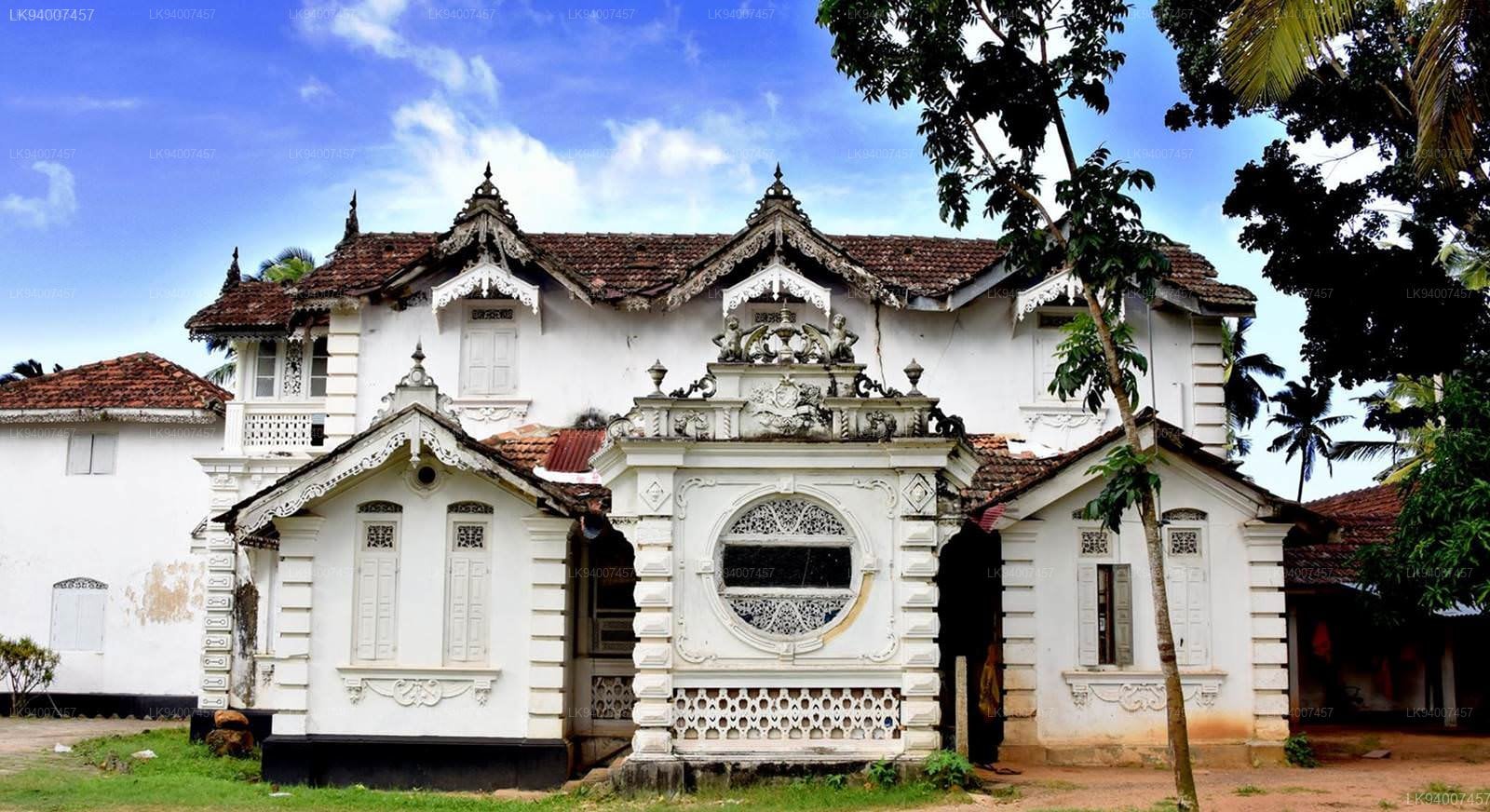
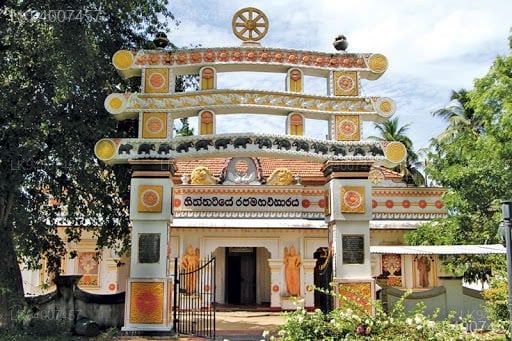
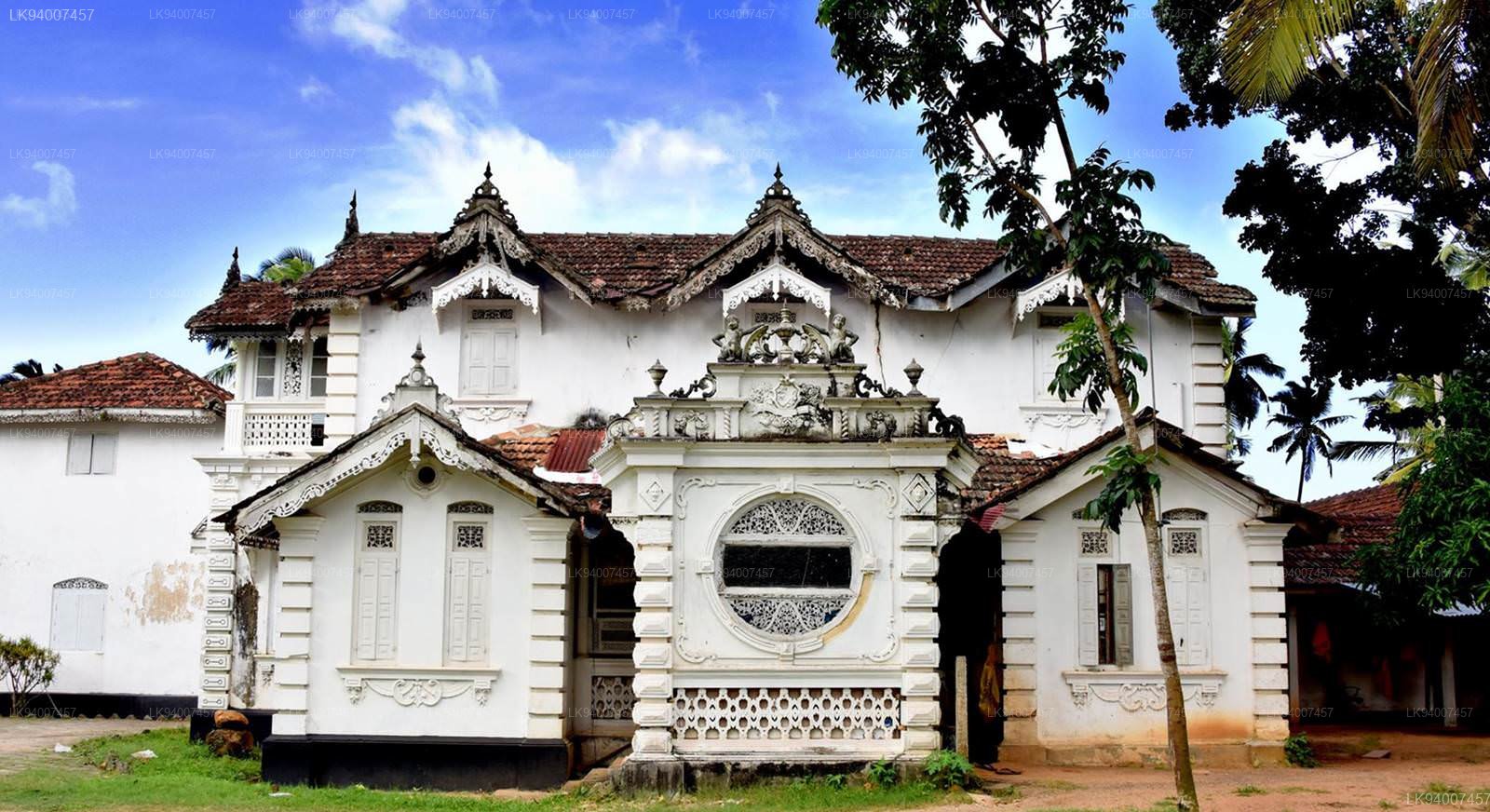
Matara Hiththatiya Rajamaha Viharaya is an ancient Temple lying very close to Matara town. The beginning of the temple is unknown, but the Bo Tree at the temple is believed to be over 1000 years old. This temple has been revived in the 18th century with the resurgence of Buddhist philosophy by Weliwita Sri Saranankara Sangaraja Thero (1698 – 1778). King Kirthi Sri Rajasinhe (1747 – 1781) has also promoted development of this temple and even today, a pair of large elephant tusks donated by the king can be found at the temple. One tusk is 7 feet in length and the other 5 feet.

The seated Buddha statue at the current image house has been salvaged from the Tampita Viharaya. This statue also known as the Sandun Pilimaya or the Sandalwood Statue is thought to be carved out of sandalwood and plastered with lime and then painted. This 3 1/2 feet tall statue with its Siraspatha is thought to be commissioned by either Weliwita Sri Saranankara Sangaraja Thero or by his student Welivitiye Sangarakkitha Thero.

In addition, an 18 riyan reclining Buddha statue flanked by Sariputta and Moggalana Theros can be seen in this image house. The current murals on the inner and outer wall of the image house has been done in 1862. The temple also owns a wooden Pirith Mandapaya built in 1842. The carvings on this structure is considered as an excellent example of the southern art form during the Kandyan era.


Hiththetiya Rajamaha Viharaya Hiththetiya Rajamaha Viharaya Hiththetiya Rajamaha Viharaya
?Text by Lakpura™. Images by Google, copyright(s) reserved by original authors.?

Informazioni sul distretto di Matara

Il distretto di Matara, situato nella provincia meridionale dello Sri Lanka, è rinomato per la sua bellezza costiera, la ricca storia e la fiorente cultura locale. Confinante con l'Oceano Indiano, offre splendide spiagge come Polhena e Mirissa, famose per il nuoto e l'osservazione delle balene. L'economia del distretto è trainata dall'agricoltura, in particolare dalla coltivazione di cocco e tè, e dalla pesca. Monumenti storici come il Forte di Matara e il Faro di Dondra Head testimoniano il passato coloniale della zona. Con il suo mix di attrazioni naturali e patrimonio culturale, il distretto di Matara è una destinazione affascinante sia per la gente del posto che per i turisti.

Informazioni sulla provincia meridionale

La provincia meridionale dello Sri Lanka è una piccola area geografica composta dai distretti di Galle, Matara e Hambantota. L'agricoltura di sussistenza e la pesca sono le principali fonti di reddito per la stragrande maggioranza della popolazione di questa regione.

Tra i luoghi di interesse più importanti della Provincia Meridionale figurano le riserve naturali dei parchi nazionali di Yala e Udawalawe, la città sacra di Kataragama e le antiche città di Tissamaharama, Kirinda e Galle. (Sebbene Galle sia una città antica, non è sopravvissuto quasi nulla di prima dell'invasione portoghese). Durante il periodo portoghese, due famosi poeti singalesi, Andare, originario di Dickwella, e Gajaman Nona, originario di Denipitiya, nel distretto di Matara, componevano poesie dedicate all'uomo comune.